
1 Superfoods For Perimenopause Belly Fat And Sleep Support
If you are navigating perimenopause, you already know the frustration: stubborn belly fat that will not budge no matter how carefully you eat, and nights spent staring at the ceiling instead of sleeping. What many women are never told is that both issues often trace back to one thing — declining progesterone. When this calming hormone drops, cortisol rises, sleep fragments, and your body stores fat around your middle.
In this guide, we review a leading resource on restoring progesterone naturally, explain how it fits alongside superfoods for perimenopause belly fat and sleep, and help you decide whether this protocol belongs in your wellness routine.
CERTAIN CONTENT THAT APPEARS ON THIS SITE COMES FROM AMAZON. THIS CONTENT IS PROVIDED “AS IS” AND IS SUBJECT TO CHANGE OR REMOVAL AT ANY TIME.
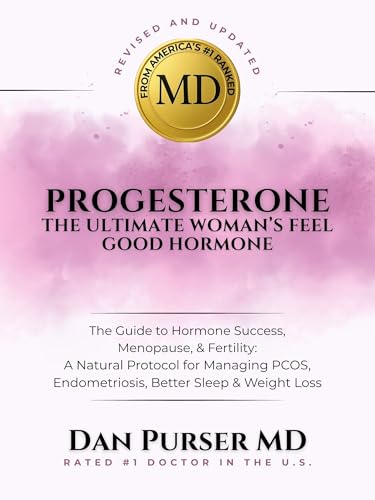
Progesterone the Ultimate Women's Feel Good Hormone: The Essential Guide to…
Best forUnderstanding the hormone-sleep-weight …
- Explains progesterone's role clearly
- Covers PCOS, fertility, and menopause
- Focuses narrowly on progesterone
- Some sections feel technical
Progesterone the Ultimate Women's Feel Good Hormone – Natural Hormone Balance Guide
Brand: Dan Purser MD
A clear, doctor-written guide to restoring the hormone behind perimenopause sleep and belly fat struggles.
Progesterone the Ultimate Women’s Feel Good Hormone by Dan Purser MD is a book that fills a genuine gap in women’s health information. While most perimenopause advice focuses on estrogen, this guide argues that progesterone — the hormone responsible for calm moods, deep sleep, and healthy metabolism — is the one most women are actually deficient in. Purser, a physician, lays out a natural protocol designed to address hormone balance at its root, covering menopause relief, fertility support, and the management of PCOS all in one place. The tone is educational rather than alarmist, which makes it approachable even if you have never read a hormone book before.
What makes this book particularly relevant to belly fat and sleep struggles is the way it connects the dots. Purser explains how low progesterone disrupts your ability to fall and stay asleep, and how poor sleep then drives cortisol up, encouraging your body to store fat around the abdomen. Instead of treating these as separate problems, the book presents them as one hormonal cascade — and shows you how to interrupt it. The chapters on sleep are especially practical, describing how progesterone acts as a natural sedative on the brain and why supplementing or supporting it through diet and lifestyle can restore restful nights without prescription sleep aids.
The book also earns points for breadth. Beyond menopause relief, it addresses PCOS, fertility, and general hormone balance, so it works as a reference you can return to as your body changes through your forties and fifties. Purser writes with clinical authority but keeps the language accessible, defining terms as he goes. Readers who want to have an informed conversation with their own doctor will find the book gives them the vocabulary and the science to do it. The natural protocol approach — emphasizing bioidentical progesterone, nutrition, and lifestyle changes over synthetic hormones — will appeal to women who prefer to start with gentler interventions.
There are a few things to keep in mind. Because the book takes a strong position on progesterone’s central role, it is less balanced on other contributing factors like insulin resistance or thyroid function, which also influence midlife weight gain. Some readers may want to pair it with additional resources on nutrition and exercise for a fuller picture. The writing occasionally dives into detail that feels technical, and the print edition layout is functional rather than polished. Still, as a single, affordable resource that explains why perimenopause sleep and belly fat problems happen — and what to do about them naturally — this book delivers real, actionable value.
- Explains progesterone's role clearly
- Covers PCOS, fertility, and menopause
- Written by a practicing physician
- Focuses narrowly on progesterone
- Some sections feel technical
Buyer’s Guide: What to Consider
Choosing resources and superfoods to support perimenopause requires a little strategy. The points below will help you evaluate any book, supplement, or food-based protocol so you invest your time and money where it actually moves the needle on sleep quality and abdominal fat.
- Look for the Hormone Connection: The best resources explain why belly fat and poor sleep cluster together in perimenopause. Declining progesterone raises cortisol, disrupts deep sleep, and signals your body to store abdominal fat. A guide that addresses this root cause — rather than just recommending generic diet tips — will give you far better long-term results than calorie-counting alone.
- Prioritize Credible Authors: Hormone health is a field full of hype. Favor books written by licensed physicians or researchers who cite clinical experience and explain the science in plain language. Dan Purser MD, for example, grounds his protocol in medical practice. Check that the author distinguishes between bioidentical and synthetic hormones, since this distinction matters for both safety and effectiveness.
- Choose Sleep-Supporting Superfoods: Foods rich in magnesium, vitamin B6, and zinc support your body's own progesterone production. Think pumpkin seeds, leafy greens, avocado, wild salmon, and dark chocolate in moderation. Vitamin C from citrus and bell peppers also helps. Building these into your evening routine complements any hormone-balancing protocol and can noticeably improve how quickly you fall asleep.
- Favor Natural, Food-First Protocols: A good protocol starts with nutrition, stress management, and lifestyle changes before jumping to aggressive interventions. Look for guides that emphasize natural approaches — like the one reviewed above — and that encourage you to work with your own healthcare provider. This keeps your approach gentle, sustainable, and safer while you learn how your body responds.
- Check for Broader Applicability: Perimenopause symptoms evolve, so choose resources that cover more than one concern. A book addressing sleep, belly fat, PCOS, fertility, and general hormone balance grows with you through your forties and fifties. Broad guides also help you spot patterns — like how mood, energy, and weight connect — that single-topic resources tend to miss entirely.
Conclusion
Perimenopause belly fat and broken sleep are not willpower problems — they are hormone problems, and declining progesterone sits at the center of both. Pairing sleep-supporting superfoods like pumpkin seeds, leafy greens, and fatty fish with a clear understanding of your hormonal shifts gives you a far better strategy than dieting harder or pushing through exhaustion.
For women ready to understand the why behind their symptoms, Progesterone the Ultimate Women’s Feel Good Hormone by Dan Purser MD is our top pick. It is affordable, physician-written, and practical — an excellent foundation for any natural perimenopause protocol.

Ashley Cormier, the author and lead editor at NamesCrunch, combines exceptional storytelling skills with a keen editorial eye. With a commitment to high-quality standards, Ashley crafts captivating narratives and ensures our collection of funny names is both entertaining and well-crafted. Get ready to be delighted by her literary expertise!
