
10 Miso Paste Benefits And Whether Cooking Kills The Probiotics For Gut Health
Miso paste has quietly earned its reputation as one of the most useful fermented foods you can keep in the fridge. It delivers deep umami flavor with just a spoonful, and because it is fermented with koji, it also carries enzymes and probiotic cultures that support digestion. But there is a catch most people miss: heat. If you boil miso, you may be cooking away the very live cultures you bought it for.
This guide walks you through the real benefits of miso, explains exactly what happens to its probiotics when you cook it, and reviews ten miso pastes worth your money. By the end, you will know which tub suits your soups, marinades, and gut-health goals.
CERTAIN CONTENT THAT APPEARS ON THIS SITE COMES FROM AMAZON. THIS CONTENT IS PROVIDED “AS IS” AND IS SUBJECT TO CHANGE OR REMOVAL AT ANY TIME.
- USDA certified organic
- No MSG or gluten
- Pasteurized, fewer live cultures
- Large tub for small households

Miso Master Organic Mellow White Miso, Gluten-Free, Organic, Non-GMO, Vegan…
Best forMaximum live probiotic cultures
- Unpasteurized living food
- Organic and kosher certified
- Requires refrigerated storage
- Shorter shelf life than shelf-stable

YAMASAN KYOTO UJI Japanese Sweet White Miso Paste, Squeezable Tube 12.3oz
Best forMess-free quick seasoning
- Convenient squeeze tube
- Naturally lower in sodium
- Tube holds less than tubs
- Sweet profile not for hearty dishes
- Deep, robust umami flavor
- USDA certified organic
- Saltier than white miso
- Overwhelming for miso beginners

Mekhala Organic Miso Ginger Cooking Paste, Sauce for Marinade 3.53oz
Best forFast ginger stir-fry nights
- Highly concentrated paste
- Vegan and paleo-friendly
- Small 3.53 ounce jar
- Pre-seasoned limits recipe control
- Distinctive sweet Kyoto style
- Excellent for glazing fish
- Too sweet for savory soups
- Smaller 14.1 ounce tub
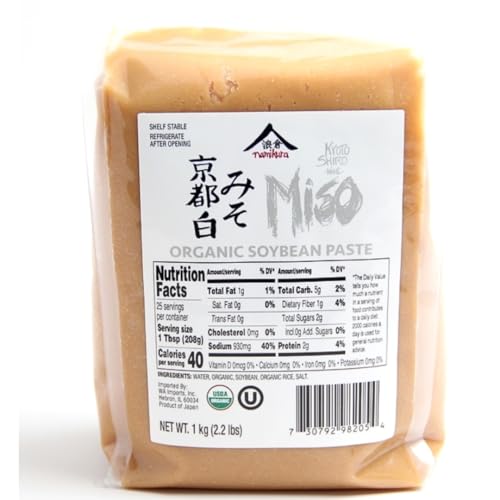
Namikura Japanese White Miso Paste, 2.2 lb – Authentic Kosher Certified Whi…
Best forFrequent big-batch cooking
- Generous 2.2 pound size
- Kosher certified quality
- Too large for casual users
- Needs steady refrigeration space

Miso Tasty Organic Shiro White Miso Cooking Paste – 200g (0.44lbs)
Best forFirst-time miso experiments
- Small commitment-free size
- Organic shiro miso
- Runs out quickly with use
- Higher cost per ounce

KAKUKYU Hatcho Miso Paste made only from Soybeans and Salt, Traditionally F…
Best forDeep traditional umami
- Two-year traditional fermentation
- Only soybeans and salt
- Very hard to dissolve
- Intense for modern palates
![Food Essential Shiro Miso Paste [All Natural Light Miso & Soy-Based] 250 gm.](https://m.media-amazon.com/images/I/41opbjZyoNL._SL500_.jpg)
Food Essential Shiro Miso Paste [All Natural Light Miso & Soy-Based] 250 gm.
Best forBudget everyday soup base
- Affordable entry point
- All-natural light miso
- Fewer certifications listed
- Less complex flavor depth
Hikari Organic White Miso – Gentle Everyday Staple

Brand: Hikari Miso
A dependable organic white miso that suits daily soup making without fuss.
Hikari’s white miso is the version most people picture when they think of miso soup: smooth, lightly sweet, and forgiving for beginners. It is USDA certified organic, contains no MSG, and is gluten free, which makes it an easy pick if you cook for people with different dietary needs. Being a product of Japan, it follows the traditional koji fermentation you want for authentic flavor.
For probiotic purposes, treat it gently. Stir it into warmed, not boiling, broth so the live cultures survive. Beyond soup, it works well as a glaze for fish or thinned into salad dressings. The 17.6 ounce tub lasts months refrigerated, so one purchase covers a lot of weeknight cooking.
- USDA certified organic
- No MSG or gluten
- Mild beginner-friendly flavor
- Pasteurized, fewer live cultures
- Large tub for small households
Miso Master Mellow White – Living Probiotic Choice
Brand: MISO MASTER ORGANIC
The strongest pick here if probiotic content matters more than convenience.
If live cultures are your priority, Miso Master states plainly that this unpasteurized mellow white miso is a living fermented probiotic food. It is made with organic soybeans and handmade koji rice, then aged thirty days for a smooth, mellow umami. It is also kosher, gluten free, non-GMO, vegan, and free of added MSG, yeast, fish, or animal products.
One practical note: this is a refrigerated product and needs cold storage from delivery onward. To protect those probiotics, add it at the end of cooking, once your soup or sauce has dropped below a simmer. The 16 ounce tub is generous, and the mellow profile means you can use it in dressings and spreads as easily as broth.
- Unpasteurized living food
- Organic and kosher certified
- Aged 30 days for flavor
- Requires refrigerated storage
- Shorter shelf life than shelf-stable
YAMASAN Kyoto White Miso – Squeeze Tube Convenience
Brand: YAMASAN KYOTO UJI
The most convenient miso format for anyone seasoning food quickly and often.
YAMASAN packages its shiro miso in a squeezable tube, and that single design choice changes how often you reach for it. One-handed squeezing means clean, quick seasoning over roasted vegetables, noodles, or toast with no dirty spoons. The paste itself uses twice as much rice koji as soybeans, giving a naturally sweet, umami-rich flavor that is lower in sodium than darker red or yellow miso.
The short fermentation behind white miso keeps it gentle, and the ingredient list stays simple: non-GMO soybeans and rice koji, free from unnecessary additives. The 12.3 ounce tube is also portable, so it travels to the office or a cabin kitchen. If portion control and mess-free use matter to you, this format is hard to beat.
- Convenient squeeze tube
- Naturally lower in sodium
- Simple non-GMO ingredients
- Tube holds less than tubs
- Sweet profile not for hearty dishes
Hikari Organic Red Miso – Bold Depth Builder

Brand: Hikari Miso
Choose this when you want miso flavor strong enough to anchor marinades.
Red miso is where Hikari’s longer fermentation shows. Compared with the white version, this paste brings a saltier, more assertive depth that stands up to strong ingredients. It carries the same credentials: USDA certified organic, no MSG, gluten free, and a genuine product of Japan, all in the same practical 17.6 ounce tub.
Because red miso is typically fermented longer, its flavor survives bold applications better, making it a natural marinade base for steak, eggplant, or root vegetables. For soup, use less than you would with white miso. And remember the heat rule: longer fermentation builds flavor compounds that tolerate cooking, but live cultures still need you to stir the paste in off the boil to keep them active.
- Deep, robust umami flavor
- USDA certified organic
- Great marinade base
- Saltier than white miso
- Overwhelming for miso beginners
Mekhala Miso Ginger Paste – Ready Flavor Shortcut
Brand: Mekhala
A smart shortcut paste for cooks who want miso-ginger flavor in minutes.
Mekhala blends gluten-free miso with fresh ginger for a twist on Japanese shogayaki, and the result is a concentrated cooking paste rather than a plain miso. It is USDA approved, vegan, paleo-friendly, non-GMO, and low sodium, which is a rare combination in a savory paste this flavorful.
A little goes a long way because the paste is super concentrated compared with typical sauces. Rub it on protein before pan-searing, whisk it into curries or soups, or thin it as a dipping sauce. Since it is a prepared blend, it is less about probiotic counts and more about fast, layered flavor on busy nights. The small 3.53 ounce jar suits occasional cooks who still want restaurant-style depth without stocking multiple ingredients.
- Highly concentrated paste
- Vegan and paleo-friendly
- Low sodium formula
- Small 3.53 ounce jar
- Pre-seasoned limits recipe control
Hikari Saikyo Sweet Miso – Kyoto-Style Sweetness

Brand: Hikari Miso
A lovely specialty miso for glazes and anyone who prefers gentle sweetness.
Saikyo miso is Kyoto’s famous sweet white style, and Hikari’s version brings that delicate, almost dessert-adjacent character to your kitchen. It uses a high ratio of rice koji with a shorter fermentation, which is exactly what creates the gentle sweetness and pale color Saikyo is known for.
This is the miso for glazes: classic saikyo-yaki pairs it with fish like cod or black cod marinated overnight. It also shines spread thinly on grilled mochi or whisked into mayonnaise for a sweet-savory dip. Because it is milder and sweeter, it is one of the friendliest options for people new to miso, though seasoned cooks may find it too subtle for hearty soups. Keep it refrigerated and add it late in cooking.
- Distinctive sweet Kyoto style
- Excellent for glazing fish
- Beginner-friendly mildness
- Too sweet for savory soups
- Smaller 14.1 ounce tub
Namikura White Miso – Bulk Gourmet Workhorse
Brand: Namikura
The practical bulk choice for households that cook with miso constantly.
Namikura’s 2.2 pound package is built for people who actually cook with miso several times a week. The paste is kosher certified, made with a higher ratio of white koji, and delivers the sweet, mild character white miso is prized for, with a smooth texture that dissolves cleanly into broths and dressings.
That bulk size makes sense for marinades, big-batch soups, and testing recipes without rationing your supply. The flavor is balanced and nuanced enough for gourmet applications, yet mild enough for family cooking. Like all white misos, it prefers gentle treatment: stir it into finished, warmed dishes rather than boiling liquid. If you have been buying small tubs monthly, this larger format usually works out better on value and fewer reorders.
- Generous 2.2 pound size
- Kosher certified quality
- Smooth, easily dissolved texture
- Too large for casual users
- Needs steady refrigeration space
Miso Tasty Shiro Paste – Beginner Starter Size
Brand: Miso Tasty
An ideal low-risk starter miso for anyone new to fermented paste cooking.
At 200 grams, Miso Tasty’s organic shiro white miso is deliberately sized for first-timers. If you are unsure whether miso will earn a permanent spot in your fridge, this small tub lets you experiment without commitment. The organic white paste delivers the light, slightly sweet profile that makes shiro miso so approachable.
It is well suited to simple miso soup, whisked dressings, and a spoonful stirred into ramen broth at the end. The compact tub also fits crowded fridges and small kitchens, and you will finish it while it is still at peak freshness. Experienced cooks will outgrow the size quickly, but as a low-risk introduction to cooking with miso, this is exactly what a starter jar should be.
- Small commitment-free size
- Organic shiro miso
- Fits small fridges easily
- Runs out quickly with use
- Higher cost per ounce
KAKUKYU Hatcho Miso – Two-Year Artisan Depth
Brand: Generic
An artisan bean miso offering unmatched depth for patient, serious cooks.
Kakukyu’s Hatcho miso is a different category entirely. Made in Okazaki City, Aichi Prefecture, using methods passed down for over 260 years, it contains only soybeans and salt and is traditionally fermented for two years. Ordered into existence under Tokugawa Ieyasu in the early Edo period, this bean miso is dense, dark, and profoundly savory.
That density is a feature and a warning: the paste is very hard and takes time to dissolve, so plan ahead rather than expecting instant soup. The payoff is an intense, complex umami with no MSG and non-GMO ingredients. A little flavors an entire pot. The zipper bag stores neatly, and unopened it keeps well. This is the miso for cooks who want history in the bowl, not a quick weeknight fix.
- Two-year traditional fermentation
- Only soybeans and salt
- Over 260 years of craft
- Very hard to dissolve
- Intense for modern palates
Food Essential Shiro Miso – Simple Budget Option
Brand: FOOD ESSENTIAL
A no-frills budget miso that reliably covers everyday soup and seasoning needs.
Food Essential’s shiro miso keeps things straightforward: an all-natural, light, soy-based paste in a 250 gram pack. It covers the fundamentals you need for everyday cooking, delivering the mild, lightly sweet character of white miso without specialty claims or a premium price attached.
This is a sensible pantry filler for students, first apartments, or anyone testing whether a miso habit sticks. It dissolves into soup broth easily, seasons stir-fries, and blends into dressings just like pricier tubs. What you give up is the certification depth and artisan pedigree of the bigger names, so check the label details against your dietary requirements. For basic, no-frills miso soup on a budget, it does the job reliably.
- Affordable entry point
- All-natural light miso
- Handy 250 gram size
- Fewer certifications listed
- Less complex flavor depth
Buyer’s Guide: What to Consider
Choosing miso is easier once you know what actually matters. Color, fermentation length, salt level, and packaging all change how a paste tastes and how you should use it. These five factors will narrow your options fast.
- Color and Fermentation Time: White miso ferments briefly with lots of rice koji, giving a sweet, mild paste. Red miso ferments longer, building saltier, deeper flavor, while Hatcho-style bean miso ages for years into something dense and intense. Match color to purpose: white for soups and dressings, red for marinades, dark miso for small, powerful additions.
- Pasteurization and Probiotics: Live cultures in miso are heat-sensitive. Temperatures at or near boiling, roughly above 115 degrees Fahrenheit, kill most probiotic bacteria. Cooking does not erase miso's minerals, amino acids, or flavor, but it does end the probiotic benefit. If gut health is your goal, stir miso into food after cooking, once it has cooled below a simmer.
- Sodium Content: Miso is salty by nature, though levels vary. White and sweet misos are generally milder, and some brands highlight lower sodium. You can reduce salt per serving by using less paste and boosting umami with kombu or mushrooms. Taste at the end of cooking, since miso concentrates as liquids reduce.
- Certifications and Ingredients: Look for USDA organic, non-GMO, gluten-free, kosher, or vegan labels depending on your needs. A short ingredient list of soybeans, rice koji, and salt signals traditional production. Avoid pastes with added MSG or unnecessary fillers if you want authentic fermented flavor and cleaner labels.
- Packaging and Storage: Tubs suit frequent cooks, tubes offer mess-free portioning, and zipper bags protect long-aged pastes. Unpasteurized miso must stay refrigerated from delivery onward, while some shelf-stable tubs tolerate the pantry until opened. Once open, keep miso cold, press plastic wrap onto the surface, and it will last for months.
Conclusion
Miso paste earns its place in your kitchen twice over: it delivers serious umami with minimal effort, and as a fermented food it brings enzymes and, when handled gently, live probiotic cultures. The key takeaway on heat is simple. Boiling miso does destroy most of its probiotics, so if gut benefits matter to you, whisk the paste in at the end, once your dish has cooled below a simmer. Cooking miso still leaves plenty of flavor and nutrition behind, just not the live cultures.
For probiotic content specifically, Miso Master’s unpasteurized mellow white miso is the clear standout. For everyday soup, Hikari’s organic white is the reliable default, and the YAMASAN tube wins on convenience. Whatever you choose, start with small amounts, store it cold, and let this centuries-old paste quietly upgrade your cooking.

Ashley Cormier, the author and lead editor at NamesCrunch, combines exceptional storytelling skills with a keen editorial eye. With a commitment to high-quality standards, Ashley crafts captivating narratives and ensures our collection of funny names is both entertaining and well-crafted. Get ready to be delighted by her literary expertise!
