
3 Matcha Side Effects And Caffeine Sensitivity Picks
If you love the idea of matcha but feel jittery, restless, or wired after your morning bowl, you are not alone. Because matcha delivers the whole ground leaf, its caffeine hits differently than steeped green tea, and some people simply process it more slowly. Understanding matcha side effects and caffeine sensitivity helps you decide how much to drink, when to drink it, and whether a gentler alternative makes more sense for your body.
This guide walks you through the most common reactions to watch for, then reviews three powders worth considering: a certified organic matcha rich in L-theanine for smoother energy, a tin-can version for smaller households, and a caffeine-free mulberry matcha that lets you enjoy the ritual without the stimulant at all.
CERTAIN CONTENT THAT APPEARS ON THIS SITE COMES FROM AMAZON. THIS CONTENT IS PROVIDED “AS IS” AND IS SUBJECT TO CHANGE OR REMOVAL AT ANY TIME.
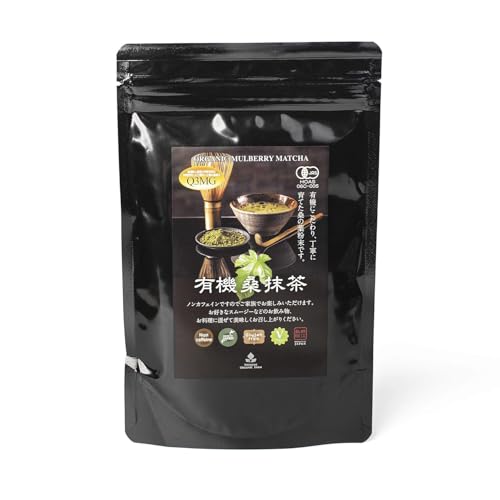
Shimane Organic Farm Japanese Mulberry Matcha – Caffeine-free, 3.52 oz
Best forPregnancy and caffeine-free routines
- Completely caffeine-free
- Less bitter than matcha
- Not true camellia matcha
- Smaller 3.52 oz bag
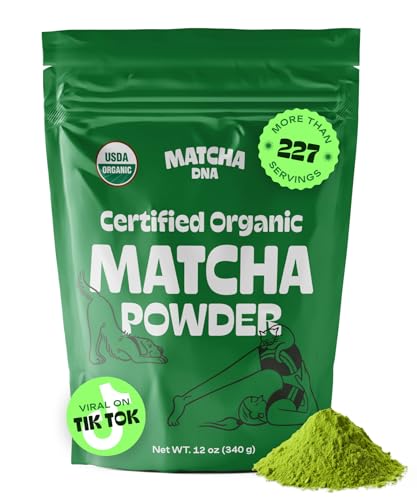
Matcha DNA Certified Organic Matcha Powder, 12 oz Bag, Green Tea for Lattes…
Best forDaily lattes and smoothies
- Third-party heavy metal testing
- USDA Certified Organic
- Still contains caffeine
- Culinary-grade bitterness in some batches

MATCHA DNA Certified Organic Matcha Green Tea Powder (8 oz TIN CAN)
Best forOccasional drinkers and beginners
- Protective sealed tin packaging
- Lab tested for heavy metals
- Higher cost per ounce
- Only 8 oz of supply
Shimane Organic Farm Mulberry Matcha – Caffeine-Free Comfort
Brand: Shimane Organic Farm
The best choice when caffeine sensitivity or pregnancy means traditional matcha is off the table.
For anyone whose caffeine sensitivity rules out traditional matcha entirely, this Shimane Organic Farm powder offers a genuine workaround. It is made from powdered mulberry leaves, a tea that has long been enjoyed in Japan as a caffeine-free substitute for matcha, particularly among people sensitive to caffeine, women during pregnancy, and small children. You get the same whisking ritual, the same vibrant green bowl, and a similar nutritional story, minus the stimulant that keeps you awake at night or sends your heart racing.
Flavor-wise, it is actually easier to drink than standard matcha: less bitter, with a refreshing taste and a herb-like aroma that many first-time drinkers find approachable. Its clearer green color also makes it a smart pick for cooking, lattes, and baking where appearance matters. Nutritionally it stands out too, containing eleven times more calcium than regular matcha along with abundant iron, potassium, and fiber. The 3.52 oz bag is modest, so heavy daily users will repurchase sooner, but for sensitive drinkers that smaller size is a reasonable trade-off for a truly caffeine-free cup.
- Completely caffeine-free
- Less bitter than matcha
- Eleven times more calcium
- Not true camellia matcha
- Smaller 3.52 oz bag
Matcha DNA Organic Matcha Powder 12 oz – Smooth, Steady Energy
Brand: MATCHA DNA
A well-tested organic matcha for drinkers who want steadier energy without giving up caffeine entirely.
If your sensitivity is mild and you would rather manage caffeine than eliminate it, this 12 oz bag of Matcha DNA Organic Matcha Powder is a practical everyday option. The powder is 100% pure, vegan, gluten-free, and unsweetened with no additives, so you control exactly what goes into your cup. Because matcha naturally contains L-theanine alongside its caffeine, many drinkers experience calmer, more balanced energy than coffee provides, which matters if jitters are your main side effect concern.
Two details stand out for cautious buyers. First, every batch is lab tested for lead and heavy metals by a third party, an important safeguard since matcha concentrates whatever the leaf absorbs. Second, it is USDA Certified Organic, with farms inspected against stringent rules. The powder is versatile enough for lattes, smoothies, and baking, and the generous 12 oz size keeps the cost per serving low for daily drinkers. If you are highly sensitive, start with a half teaspoon rather than a full serving and see how your body responds before increasing.
- Third-party heavy metal testing
- USDA Certified Organic
- Generous 12 oz value bag
- Still contains caffeine
- Culinary-grade bitterness in some batches
Matcha DNA Organic Matcha 8 oz Tin – Fresher, Smaller Supply
Brand: MATCHA DNA
Ideal for cautious beginners who want tested, organic matcha in a freshness-friendly smaller tin.
This 8 oz tin version of Matcha DNA suits two groups especially well: occasional drinkers who do not want powder sitting around losing freshness, and cautious beginners testing their own caffeine tolerance. You get the same core qualities as the larger bag, including USDA Certified Organic sourcing, naturally occurring antioxidants, vitamins, minerals, amino acids, and EGCGs, plus the L-theanine associated with calm focus and balanced energy rather than the spike-and-crash pattern of coffee.
The sealed tin can is the practical advantage here. Powder exposed to air, light, and humidity degrades faster, and a tin limits that exposure between servings, which helps if you only drink matcha a few times a week. Like its sibling product, each batch is third-party lab tested for lead and heavy metals, giving sensitive drinkers extra confidence about what they are whisking into their cup. It works as a plain tea, a latte base, or a smoothie ingredient. The trade-off is straightforward: you pay a less favorable price per ounce than the 12 oz bag, but you gain freshness protection and a smaller commitment while you learn your limits.
- Protective sealed tin packaging
- Lab tested for heavy metals
- Rich in EGCG antioxidants
- Higher cost per ounce
- Only 8 oz of supply
Buyer’s Guide: What to Consider
Choosing a matcha when you are worried about side effects comes down to a handful of practical factors. The five points below cover what to check before you buy, how to dose sensibly, and when a caffeine-free alternative is the smarter route.
- Know Your Caffeine Tolerance: A typical serving of matcha contains roughly 60 to 70 mg of caffeine, less than coffee but delivered more gradually. If coffee already makes you anxious or disrupts your sleep, start with a half-teaspoon serving of matcha, drink it earlier in the day, and track how you feel for a week before increasing the amount.
- Look for Third-Party Testing: Because matcha uses the whole ground leaf, it can concentrate lead and other heavy metals from the environment. Reputable brands publish third-party lab results for lead and heavy metals on every batch. This testing matters even more if you drink matcha daily or during pregnancy, so treat it as a non-negotiable filter when comparing products.
- Value the L-Theanine Effect: L-theanine is an amino acid naturally present in matcha that promotes calm focus and smoother, more balanced energy. This is why many people who react badly to coffee tolerate matcha better. If jitters are your main concern, a pure, additive-free matcha with naturally occurring L-theanine is worth prioritizing over blends with added sweeteners or fillers.
- Consider a Caffeine-Free Alternative: If you are pregnant, sensitive to stimulants, or buying for children, mulberry leaf powder offers a matcha-style experience with no caffeine at all. Quality options are less bitter than true matcha, whisk into a clear green color, and deliver strong nutrition, including far more calcium plus iron, potassium, and fiber. You keep the ritual and lose the side effects.
- Match Size to Your Habit: Powder loses flavor and color as it sits exposed to air and light. Daily drinkers benefit from larger bags that lower the cost per serving, while occasional users should choose smaller tins that protect freshness between servings. Buying more than you will finish in a month or two usually means your last bowls taste flat, whatever the label promises.
Conclusion
Matcha side effects are real but manageable for most people. Jitters, sleep disruption, and stomach upset usually trace back to dose and timing, and the natural L-theanine in a pure, tested powder often makes matcha gentler than coffee. The key safeguards are simple: start small, drink it early, and only buy matcha that is third-party tested for lead and heavy metals.
If caffeine is a hard no for you, the Shimane Organic Farm Mulberry Matcha is the clear pick, offering the ritual and nutrition without any stimulant. For everyone else, Matcha DNA covers both ends of the habit: the 12 oz bag for daily lattes and smoothies, and the 8 oz tin for occasional drinkers who value freshness. Choose based on how often you will actually whisk a bowl.

Ashley Cormier, the author and lead editor at NamesCrunch, combines exceptional storytelling skills with a keen editorial eye. With a commitment to high-quality standards, Ashley crafts captivating narratives and ensures our collection of funny names is both entertaining and well-crafted. Get ready to be delighted by her literary expertise!
