
6 Best Kombu Strips For Mineral Broth and Dashi
Mineral broth lives or dies by its base, and kombu is the ingredient that quietly does the heavy lifting. This dried kelp releases natural glutamates, iodine, and trace minerals as it simmers, giving your broth a savory depth that salt alone can never deliver. The catch is that not every package of kombu strips behaves the same way once it hits your pot.
This guide walks you through six kombu options suited to different kitchens, from pre-cut strips that skip the trimming step to seasoned shio kombu you can sprinkle straight over finished dishes. By the end, you will know exactly which strip matches your cooking style, whether you are building dashi, miso soup, or a slow mineral broth.
CERTAIN CONTENT THAT APPEARS ON THIS SITE COMES FROM AMAZON. THIS CONTENT IS PROVIDED “AS IS” AND IS SUBJECT TO CHANGE OR REMOVAL AT ANY TIME.

3.5oz Dried Kombu Seaweed Strips, Kelp for Dashi, Miso Soup And Broth
Best forQuick no-trim weekday broths
- Pre-cut, no trimming needed
- Single clean ingredient
- Smaller 3.5oz bag size
- Cut strips less traditional looking

4oz Dried Kombu Seaweed Strips, Sun-Dried Kelp for Dashi, Miso Soup & Broth
Best forClassic miso soup stock
- Generous 4oz supply
- Soaks in 10-20 minutes
- Requires soaking time
- Flavor milder than aged kelp
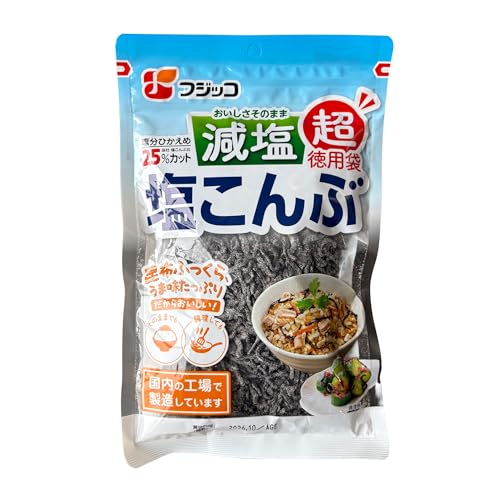
Japanese Seasoned Kelp Strips (Shio Kombu), Low Sodium Version, 120g
Best forReady-to-eat savory topping
- Ready to eat instantly
- 25% less salt version
- Contains added seasonings
- Not for simmering stock

East and Else Dashi Kombu, 2 oz Bag Dried Kelp, 100% Natural Whole Leaf Kom…
Best forAuthentic clear dashi
- 100% natural whole leaf
- Clean water harvesting
- Whole leaves need cutting
- Smaller 2oz quantity

Dried Dashi Kelp Dried Dashi Kombu Seaweed 2oz for Ramen Broth Japanese Cus…
Best forHomemade ramen broth bases
- Ideal for ramen broths
- Multiple dashi batches per bag
- Compact 2oz package
- Fewer strips for big batches

2 Pack – Japanese Seasoned Kelp Strips (Shio Kombu), Low Salt Version, 120g…
Best forPantry-stocked condiment lovers
- Two 120g packs included
- Lower salt recipe
- Bulk requires commitment
- Seasoned, not plain kelp
SEAYOFA 3.5oz Dried Kombu Strips – No-Cut Convenience
Brand: SEAYOFA
A fuss-free, single-ingredient kombu that turns mineral broth prep into a five-minute task.
The biggest chore with whole dried kelp is preparation. You have to trim, wipe, and often cut the fronds before anything can soak. SEAYOFA solves that by shipping pre-cut strips that require no trimming at all. You rinse, soak, and drop them straight into your broth pot. Because the pieces are already cut, they rehydrate noticeably faster than whole dried kelp, which means your mineral broth gets to work sooner and you are not standing at the counter with scissors.
The ingredient list is refreshingly short: 100% dried kombu, harvested, washed, sun-dried, and hand-cut using a traditional process. There are no additives, which matters when you want a clean mineral base for soups, rice, or slow-simmered stocks. Nutritionally, the kelp brings iodine, fiber, and a broad range of minerals to the pot, along with the natural umami that makes kombu famous. That savory layer works especially well in vegan and keto cooking, where you are often searching for depth without animal products. The 3.5-ounce bag holds a reasonable number of batches, and the strips are versatile enough to move beyond broth into seasoned rice or simmered dishes. If your goal is a low-effort, single-ingredient kombu that goes from bag to broth in minutes, this one fits neatly into a weekly cooking routine.
- Pre-cut, no trimming needed
- Single clean ingredient
- Rehydrates faster than whole kelp
- Smaller 3.5oz bag size
- Cut strips less traditional looking
SEAYOFA 4oz Sun-Dried Kombu – Dashi and Miso Staple
Brand: SEAYOFA
A well-sized sun-dried kombu that makes authentic dashi and miso soup an easy weekly habit.
This larger 4-ounce bag from SEAYOFA is aimed squarely at home cooks who make dashi and miso soup on repeat. The kelp is carefully dried and prepared for culinary use, and the strips retain their character through the process, so what you soak is what flavors your stock. Sun-drying preserves the natural compounds that give kombu its savory depth, and those compounds are exactly what you want extracting into a mineral broth or Japanese-style dashi at home.
Preparation is straightforward and forgiving. You rinse the strips lightly, then soak them in water for about ten to twenty minutes until they soften. Once flexible, the kombu is easy to cut if you want smaller pieces, or you can simmer it whole for a cleaner stock. After soaking, the texture turns tender with a slight chew, which means the strips can do double duty: flavor the broth, then be sliced and eaten in the finished dish. That flexibility extends to oden, hot pots, and other broth-based meals where you want depth without added salt or seasoning. Compared with the smaller SEAYOFA bag, this one simply lasts longer, which matters if you are simmering broth weekly. If your kitchen leans Japanese and you want a dependable sun-dried kelp for stock, this is a practical, well-sized choice.
- Generous 4oz supply
- Soaks in 10-20 minutes
- Tender chewy post-soak texture
- Requires soaking time
- Flavor milder than aged kelp
IPPINKA Shio Kombu Low Sodium – Seasoned Kelp Strips
Brand: IPPINKA
A seasoned shio kombu that finishes broths, rice, and eggs with instant savory depth.
Not every kombu in your kitchen needs to simmer in a pot. IPPINKA takes a different approach with shio kombu, strips of kelp that are seasoned and ready to eat straight from the pack. The kelp itself is a large brown seaweed with a long, tough stalk divided into broad strips, and here it is transformed into a soft, savory condiment rather than a simmering ingredient. That makes it a natural finishing touch for mineral broths that need a final hit of umami at the table.
The low sodium version contains 25% less salt than the regular variant, which is worth noting if you are watching intake. The ingredient list includes kelp, protein hydrolysate, reduced starch syrup, soy sauce, sugar, kelp extract, and salt, so this is a seasoned product, not a single-ingredient one. In practice it shines as a condiment for fried eggs, vegetable salads, buttered toast, cooked rice, pickles, and pasta. Stirred into a finished bowl of broth, it dissolves into the liquid and deepens the flavor without extra simmering. Storage is simple: keep it at room temperature, away from direct sunlight, and it holds well. If you already make broth from plain kombu and want a seasoned kelp option for garnishing and quick flavor boosts, this 120-gram pack earns its place on the shelf.
- Ready to eat instantly
- 25% less salt version
- Extremely versatile condiment
- Contains added seasonings
- Not for simmering stock
East and Else Dashi Kombu – Whole Leaf Umami Depth
Brand: East and Else
A pure whole leaf kombu for cooks who want full control over their dashi flavor.
For cooks who believe broth starts with the cleanest possible ingredient, East and Else offers a 2-ounce bag of 100% natural whole leaf kombu. The kelp is harvested from clean waters, and that origin shows in the finished stock. Because the fronds are whole rather than pre-cut, you control every piece that goes into the pot, which is the traditional way to build an authentic Japanese dashi for miso, ramen, udon, hot pot, and slow stews.
The key selling point is what the kombu does to flavor. Kombu contains natural glutamates, and as the leaf simmers, those glutamates release into your liquid, enhancing taste without any added salt or seasoning. For a mineral broth, that means you get savory complexity while keeping sodium exactly where you want it. The whole leaves also give you flexibility after the stock is done: rehydrate and chop them into salads, tuck them into simmered dishes, or lay them over rice. A 2-ounce bag is a modest quantity, but whole leaf kombu is efficient, and a single strip flavors a full pot. If you value provenance, a single-ingredient label, and the ability to season your broth entirely on your own terms, this whole leaf option is the purist pick among the strips reviewed here.
- 100% natural whole leaf
- Clean water harvesting
- No added salt or seasoning
- Whole leaves need cutting
- Smaller 2oz quantity
Hinokuni Dashi Kelp 2oz – Ramen Broth Builder
Brand: Hinokuni
A focused dashi kelp that gives homemade ramen broth an authentic, savory foundation.
Ramen broth demands a strong backbone, and Hinokuni positions its dried dashi kelp exactly for that job. This 2-ounce package of natural dried kombu is described as essential for creating authentic Japanese broths and stocks, and the strips deliver the umami foundation that separates a flat ramen bowl from a memorable one. If your mineral broth experiments keep drifting toward noodle soups, this is a purposeful pick rather than a generic one.
The versatility here is broader than ramen alone. The kelp works for dashi stock, soups, stews, and seasoning bases, letting one bag support several styles of Japanese cooking. A 2-ounce portion provides enough kombu for multiple batches of homemade dashi, so a single purchase covers weeks of broth-making if you simmer a strip or two at a time. Because it is an original natural food with no seasoning blended in, the flavor you extract is purely from the kelp itself, which gives you room to add miso, soy, or salt later without doubling up. The trade-off is that the package is compact, so heavy broth makers will work through it faster than a larger bag. Still, for ramen nights, tonkotsu-adjacent experiments, or any stock where kombu is the flavor anchor, Hinokuni offers a focused, authentic option at a manageable size.
- Ideal for ramen broths
- Multiple dashi batches per bag
- Natural unseasoned kelp
- Compact 2oz package
- Fewer strips for big batches
IPPINKA Shio Kombu 2 Pack – Seasoned Kelp Value
Brand: IPPINKA
A two-pack of seasoned shio kombu that keeps a versatile umami condiment always within reach.
If you already know shio kombu earns a permanent spot in your pantry, this two-pack version of IPPINKA’s seasoned kelp strips is the practical way to buy it. You receive two 120-gram packs of shiokombu, the seasoned strip form of kelp, a large brown seaweed whose long, tough stalk is divided into broad strips and prepared here as a soft, savory condiment. Buying two at once means fewer reorders and a steady supply for daily cooking.
Like the single pack, this version contains 25% less salt than the regular variant, with ingredients including kelp, protein hydrolysate, reduced starch syrup, soy sauce, sugar, kelp extract, and salt. It is a seasoned product, so think of it as a flavor tool rather than a plain simmering kelp. Its strength is range: sprinkle it over fried eggs, vegetable salads, buttered toast, cooked rice, pickles, and pasta, or stir a spoonful into a finished bowl of mineral broth for an immediate umami lift. Because the packs store at room temperature away from direct sunlight, keeping a spare sealed and ready is effortless. The obvious consideration is commitment: two packs suit households that genuinely use shio kombu often. For those cooks, the value and convenience of having a backup pack on hand make this the sensible choice over buying single bags repeatedly.
- Two 120g packs included
- Lower salt recipe
- Long room-temperature storage
- Bulk requires commitment
- Seasoned, not plain kelp
Buyer’s Guide: What to Consider
All kombu adds umami, but the right strip for your kitchen depends on how you cook, how much broth you make, and whether you want a plain simmering kelp or a seasoned condiment. These five factors will help you narrow the choice before you buy.
- Cut Versus Whole Leaf: Pre-cut strips like SEAYOFA's skip trimming and rehydrate faster, which suits busy weeknight broths. Whole leaf kombu such as East and Else gives you traditional presentation and full control over portioning, but expect to cut or tear the fronds yourself. If you simmer broth weekly and value speed, choose pre-cut; if you want the classic dashi experience, whole leaf rewards the extra minute of prep.
- Plain Versus Seasoned: Plain dried kombu contains a single ingredient, so everything in your broth comes from the kelp and your own seasoning. Shio kombu from IPPINKA is pre-seasoned with soy sauce, syrup, and salt, making it a condiment rather than a stock base. Decide whether you want an ingredient to simmer or a topping to finish dishes, because seasoned kelp will change the sodium and flavor profile of anything you cook.
- Bag Size and Batch Count: Kombu is efficient, and a single strip flavors a full pot, but bag size still matters. A 2-ounce bag like East and Else or Hinokuni covers multiple batches for occasional broth makers. Larger 3.5-ounce and 4-ounce SEAYOFA bags suit weekly simmering, while a two-pack of shio kombu makes sense only if you use the condiment daily. Match the quantity to how often you actually cook.
- Mineral and Umami Content: Kombu is valued for natural glutamates, iodine, fiber, and minerals that extract into liquid during simmering. If mineral content is your priority, look for single-ingredient, sun-dried products with no additives, since nothing dilutes what ends up in your broth. Seasoned versions still contain kelp and its extract, but added salt and syrup mean you are buying convenience and flavor rather than a pure mineral source.
- Intended Dishes: Let your cooking style lead. Dashi, miso soup, and hot pot favor plain dried kelp that simmers cleanly. Ramen broth benefits from a dedicated dashi kelp like Hinokuni's. If your broths are finished at the table, shio kombu stirred in at serving adds depth without extra simmering. Choosing based on the dishes you actually make prevents a bag of kombu from sitting unused in the pantry.
Conclusion
Kombu strips are one of the simplest upgrades you can make to homemade broth, yet the differences between them are real. Pre-cut options like the SEAYOFA bags prioritize speed, whole leaf kombu from East and Else prioritizes purity, Hinokuni targets ramen builders, and IPPINKA’s shio kombu handles the finishing touches that plain kelp cannot.
For most mineral broth makers, the SEAYOFA 3.5oz pre-cut strips are the easiest starting point, since they go from bag to pot in minutes with a single clean ingredient. If you cook Japanese dishes regularly, add a pack of shio kombu for garnishing, and you will have every stage of the broth covered, from the first simmer to the final sprinkle.

Ashley Cormier, the author and lead editor at NamesCrunch, combines exceptional storytelling skills with a keen editorial eye. With a commitment to high-quality standards, Ashley crafts captivating narratives and ensures our collection of funny names is both entertaining and well-crafted. Get ready to be delighted by her literary expertise!
